

Peru
Indigenous peoples, Inca ruins, and alpacas
The capital city Lima was founded by Pizarro, Spanish Conquistador and destroyer of the Inca Empire, in 1535. Peru declared independence from the Spanish Empire in 1821. To the tourist eye, it looks similar in many ways to Bolivia: the Andes, the Indigenous peoples, potatoes served with every meal, etc. However, Peru has more alpacas than llamas, extensive Inca ruins (including Machu Picchu), far more international tourists, no fuel shortage at gas stations, and it's not a landlocked country, among other differences. Also, there were far more spiritual, health, and psychedelic oriented activities for tourists in Peru. There were advertisements for yoga, therapeutic dance, etc., and things like mushrooms, ayahuasca, and san pedro cactus were available in stores across the country.
Post trip thoughts: In general, Peru felt more tourist oriented than the other countries I visited in South America. Along with this, restaurants, taxis, and hotels were more expensive since a lot of them catered to international tourists. The buses were nice, and getting from city to city was easy. Machu Picchu was amazing, and the Sacred Valley has an almost endless variety of Inca ruins to explore. Customer service in general was either decent or disappointing. Tipping isn't common but usually appreciated. If you want a quick bite, it's best to: get street food, go to a bakery, or find a food stall at the local market. Finally, guinea pigs aren't the cutest animals, but they are cuter than they are tasty. I definitely prefer alpaca.
Quick facts: Source: CIA World Factbook
Area: smaller than Alaska
Population: 32.5 million
Ethnic groups: Mestizo 60.2%, Amerindian 25.8%, White 5.9%, African descent 3.6%, other (includes Chinese and Japanese descent) 1.2%, unspecified 3.3%
Religion: Roman Catholic 60%, Christian 14.6%, other 0.3%, none 4%, unspecified 21.1%
Capital: Lima
GDP Per Capita: $12,500
Currency: Sol ($1 = 3.3 Sol)
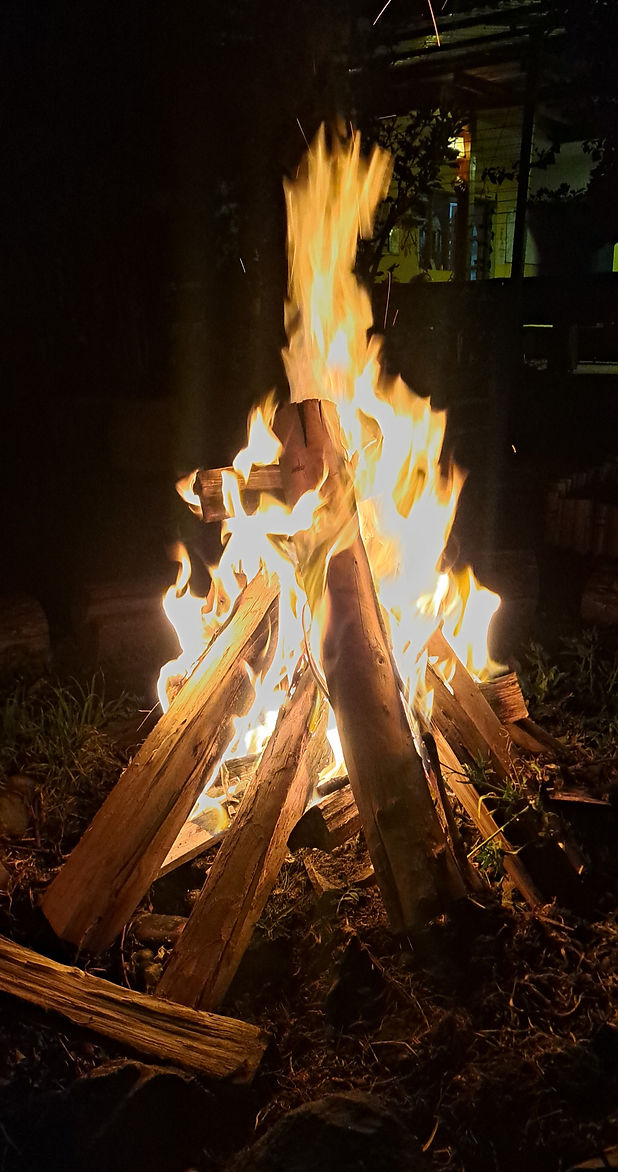
Hostel Campfire in Pisac, Peru
Peru

Trip Summary
Date: November 2-24th
Map Source: Google Maps
Route: Cusco > Ollantaytambo > Machu Picchu > Urubamba > Pisac > Cusco > Day Trip to Maras > Puno (Lake Titicaca) > Arequipa > Paracas > Lima > USA

Machu Picchu
One of the New 7 Wonders of the World, and also known as The Lost City of the Incas, the ruins at Machu Picchu sprawl across a terraced hilltop surrounded by peaks and valleys in the distance. Even today, the train ride from Ollantaytambo to the base of Machu Picchu and the bus ride up the hill/mountain to the top are formidable. It's truly mind blowing to imagine what the journey on the Inca trail must have been like when the settlement was in use during the 15th century (altitude 2,430 meters; 7,970 feet). The site exists today because of its abandonment around the time of Spain's arrival in the Americas. There are different theories about why it was initially abandoned before being discovered by the Spanish: disease, conflict, etc. Lost to the outside world until its rediscovery by Hiram Bingham in 1911, Machu Picchu is renowned for its massive size, mortarless block construction, underground foundations and water systems, building without the wheel or draft animals, and earthquake proof walls and terraces. But, why was it built in the first place? Most archeologists conclude it was a royal retreat for Inca rulers with various religious functions and space for urban and agricultural activities. All this being said, the entire area around Cusco (known as the Sacred Valley) is filled with Inca ruins that can be seen on almost any hillside or mountaintop. Finally, Machu Picchu was the most expensive scenic area to visit on my South American trip: roughly $200 altogether for the train ticket, bus ticket, and entrance ticket.


Ollantaytambo
There's no shortage of Inca ruins to see around this picturesque little town situated in a valley (population 3 thousand). Some are part of a bundle ticket for 16 different locations in the Sacred Valley (good for 3 days or 10 days), some require a separate entrance ticket, and some are free to visit. The 16 places ticket for 10 days cost 130 Sol ($39). Butting up against 2 different sides of Ollantaytambo are the ruins of a fortress (part of bundle ticket) and a granary (separate ticket). A few miles away, there's a trail winding up a mountain where visitors can see 2 different waterfalls and another mountaintop Inca ruins called Perolniyoc. Best part, this site is free to visit, no entrance ticket needed. However, at an altitude of over 2,700 meters (9,000 feet), this free hike was not the easiest. It took over 4 hours with frequent stops going up and almost no stops coming down, but the view was amazing, and it was an empty trail. Also, this city was the first time tasting alpaca (great taste like llama/pork-lamb) and guinea pig (tastes not great like greasy, gamey, fatty skin with little meat). Finally, there was a souvenir store with a "museum" and room filled with guinea pigs devouring green wheat plants.


Pisac
Similar in population size and altitude to Ollantaytambo, Pisac is on the eastern end of the Sacred Valley Inca ruins. Included in the 16 site bundle ticket is the Parque Arqueologico Pisac. This site is special because it continues from the mountaintop down a winding trail for 3 hours all the way back to town. Along the way, you will encounter more ruins and terraces from different past settlements. As you move from one hilltop to the next, it feels like a string of fortifications following a ridge line down to the valley. In addition to discovering buildings and terraces on the adventure back to Pisac, you will run into small groups of local Indigenous ladies making/selling different kinds of textiles for souvenirs.


Around Cusco
In between Cusco and Ollantaytambo, are some interesting little towns. A common day trip from Cusco, either by tour group or hiring a private taxi, is to visit: the textile town Chinchero, circular Inca terraces in Moray, and the Maras Salt Pans. Chinchero is a small town with its narrow cobblestone streets lined with tables of goods for sale, a town square with a church and market, and a ruins from a small Inca settlement. The desperation to make a sale, for tourists to just buy anything, is palpable. You will definitely get a good deal on souvenirs in Chinchero. In Moray, the Inca terraces are distinct from others in the Sacred Valley in 2 ways: 1 they are circular, 2 they are concave and go into the earth instead of being on the side of a hill. The main event for the day was the Salt Pans in Maras. This salt making facility predates the Incas and was started in roughly 700 BCE. Essentially, a salt water spring exits the side of a hill, and runs along 2 channels that are used to flood shallow 6-8" deep pans carved into the valley. According to the driver, each pan is like an individual plot of land owned/run by different people. Of course, there are shops there selling every different kind of items using salt.
Chinchero and Moray were part of the 16 site bundle ticket, but a separate entrance ticket was needed for the Maras Salt Pans.


Lima
The capital and largest city in Peru, 11 million people, is also the 4th largest city in South America. You definitely feel the size of Lima while sitting in Traffic on a main road. The hostel was in JFK park in the Miraflores district. The parks here form a cool pedestrian area with nice restaurants, cafes, and a cat sanctuary. There are cat houses and roaming felines everywhere, but they are friendly and easy going. You see similar colonial architecture, grand cathedrals, and museums as other capital cities in Latin America, but the star fortress and decommissioned submarine museum make Lima unique to me. There's plenty more to see in Lima, but time ran out.


